


You've stepped out into a grey Manchester morning, your plans threatened by drizzle and your shoes already regretting the pavement. Don't retreat to the sofa just yet. Rain can turn the city into a reason to slow down, eat well, solve something together, and discover places you'd otherwise walk straight past.
These things to do when it rains in Manchester are built for real wet-weather days. You'll find food-led adventures, cosy indoor activities, creative workshops, cultural outings, and social plans that work for couples, families with older children, tourists, colleagues, and friends. Manchester averages 152 rain days each year, according to local climate information shared through Visit Manchester, so having a reliable plan matters.
Pick an activity, check availability, put on a waterproof layer, and turn the forecast into part of the day rather than the reason to cancel it.
Table of Contents
- 1. Try a Food-Based City Exploration Game
- 2. Join an Indoor Cooking Class
- 3. Book a Themed Food Tasting Tour
- 4. Become an Independent Restaurant Reviewer
- 5. Watch a Virtual Food Tour or Culinary Livestream
- 6. Plan Meals and Build a Specialist Grocery Route
- 7. Host a Food Documentary Film Marathon
- 8. Refresh Your Food Blog or Social Media
- 9. Research a Cuisine or Food Culture
- 10. Play Food Puzzles, Quizzes, and Trivia
- 10 Rainy-Day Food Activities Comparison
- Get Ready to Rainproof Your Next Outing
1. Try a Food-Based City Exploration Game
A rainy day becomes much more memorable when the route has a purpose. Food-based exploration games combine clue-solving, city walking, and proper meals at independent restaurants, ensuring a purposeful journey rather than a series of indoor shifts. The rain adds atmosphere to the street sections, while the restaurant stops give everyone a warm place to regroup.
Food Escapes runs WhatsApp-based games in Manchester, including a Dumpling Trail through Chinatown and nearby streets, the Rise & Dine Brunch escape, and Southeast Asia-themed routes around the Northern Quarter. Each experience leads players towards hidden food spots, with clues woven into the surrounding city. Choose a food exploration game for your next Manchester adventure when you want a date, birthday, tourist activity, or group outing that feels more distinctive than a standard meal.
Make the wet-weather logistics easy
Book ahead during rainy periods, when indoor dining experiences can fill quickly. Wear comfortable waterproof shoes, carry a small waterproof phone case, and arrive 10 minutes early so your group is ready to receive the starting information via WhatsApp.
Groups of four to six usually have enough people to debate clues without becoming unwieldy. Take photos at each stop, chat with restaurant staff about their stories, and confirm restaurant bookings and cancellation terms before setting off.
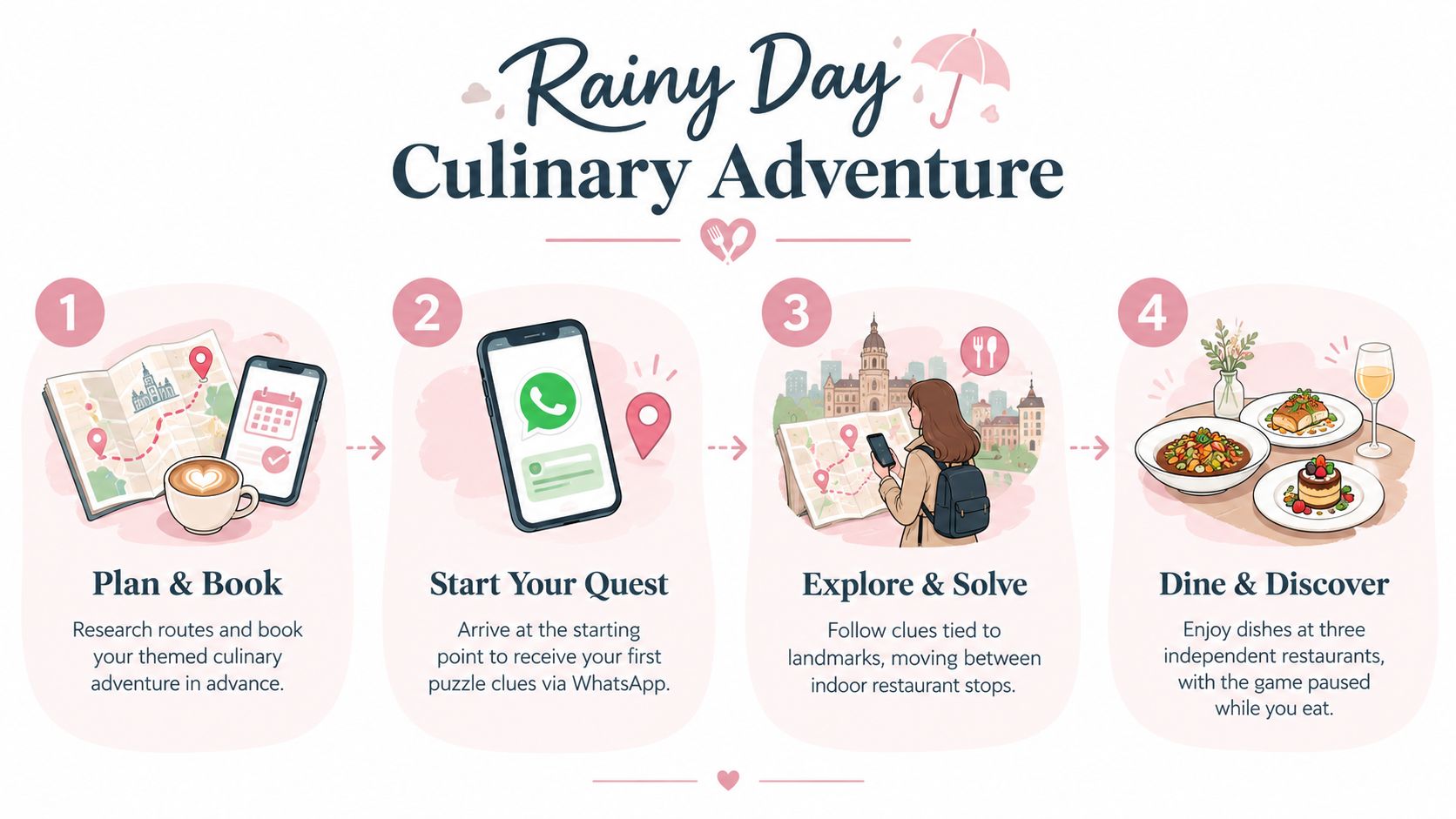
Practical rule: Choose an experience with a clear start point, included food, and indoor pauses. You'll spend less time checking the weather and more time enjoying the city.
2. Join an Indoor Cooking Class
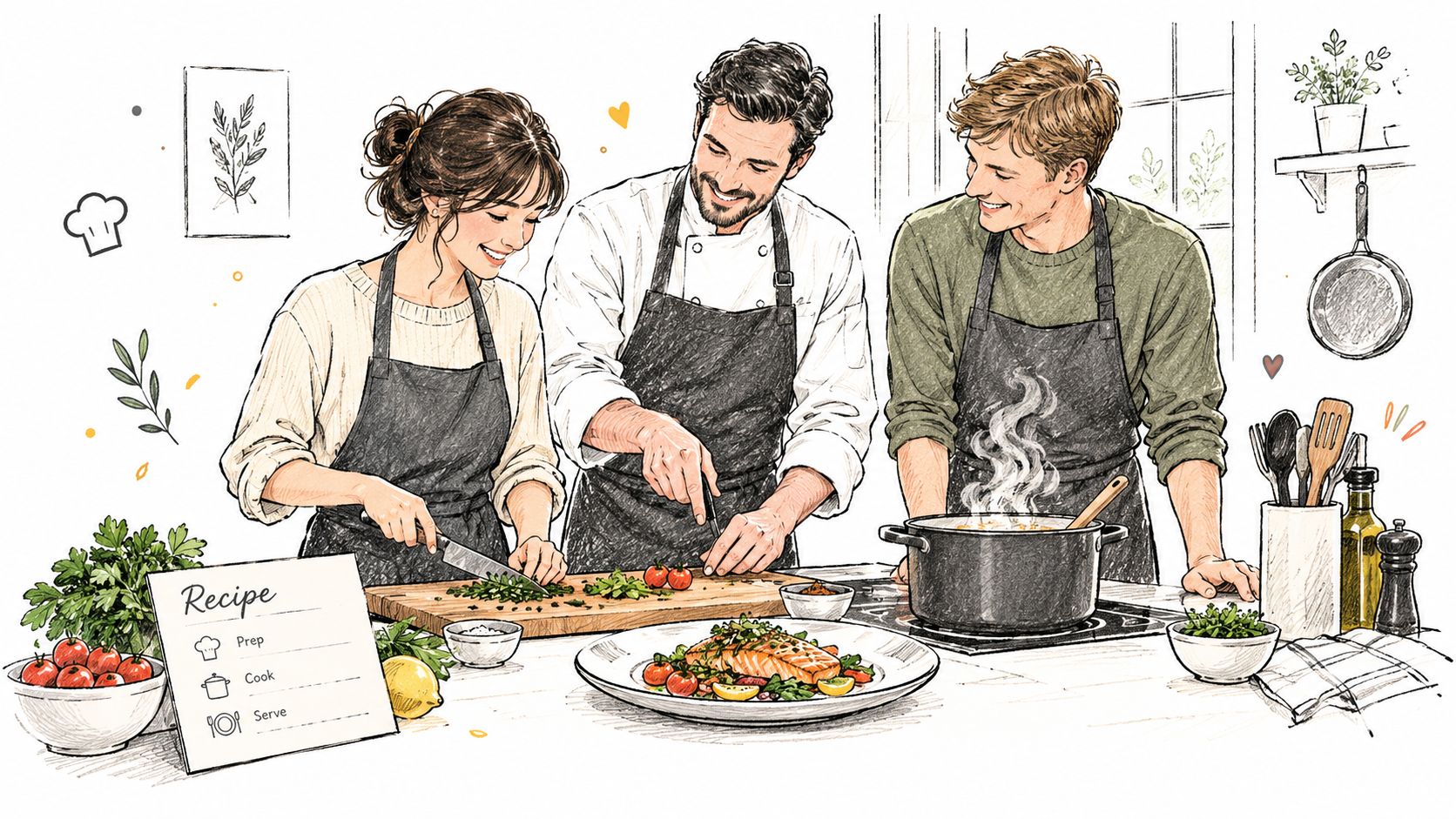
Cooking classes turn bad weather into useful time. You'll spend the afternoon learning a technique, preparing food with other people, and sitting down to eat something you've made yourself. Manchester's independent cooking studios and food venues offer plenty of scope, from Thai and Italian dishes to British baking, dumpling-making, bread, and pastry.
A dumpling masterclass in Chinatown suits friends who want something hands-on and social. A bread workshop at a local bakery works better for a quieter, creative afternoon, while a progressive series of classes can help you build confidence beyond a single rainy-day activity. Match the class to your ability and check dietary requirements before booking.
Get more from the session
Arrive early enough to understand the kitchen layout, then keep a notebook nearby. You'll forget small details once the cooking starts, especially knife techniques, timings, and seasoning instructions. Ask the tutor about independent restaurants and suppliers they recommend, since professional cooks often know the city's food scene well.
- Tell the instructor about allergies: Share dietary requirements during booking, not when the class begins.
- Choose the right pace: Beginners should look for foundational sessions, while experienced cooks can choose technique-led masterclasses.
- Book as a group: Friends or colleagues can share the experience and make the practical work more relaxed.
- Give the class as a present: A couples' cooking experience makes a more personal gift than another generic item. For further inspiration, explore these Christmas gifts for couples.
3. Book a Themed Food Tasting Tour
A tasting tour gives you somewhere warm to sit while teaching you how to pay closer attention to what you eat. Instead of ordering one familiar dish, you'll compare flavours, ingredients, production methods, and regional traditions across a curated selection of samples.
In Manchester, look for experiences focused on Indian spices, Southeast Asian sauces and pastes, halal-certified producers, or craft beer paired with British comfort food. You don't need to be a food expert. The guide should provide the context, explain unfamiliar ingredients, and create an environment where questions are welcome.
A tasting session also works well for people who want a social outing without centring the day around drinking. Request non-alcoholic pairings when you book, and ask whether the venue can accommodate dietary needs.
Turn tasting into discovery
Arrive hungry, but not starving. A light breakfast gives you enough energy without dulling your appetite. Keep notes on flavours and producers, then ask the guide which independent restaurants are suitable for a future solo meal or relaxed group visit.
Book with friends if you enjoy comparing reactions. One person may notice heat, another texture, and someone else the story behind an ingredient. The conversation is part of the experience, particularly when the weather makes lingering indoors feel like a pleasure rather than a compromise.
For more ideas centred on local culinary discovery, browse these food tours in Manchester. Check the format carefully before booking, especially if you're looking for a seated tasting rather than a walking route between venues.
4. Become an Independent Restaurant Reviewer
You don't need a large following to explore Manchester's independent restaurants thoughtfully. Choose a neighbourhood, order with curiosity, take notes, and write a useful review that helps other diners decide where to go. Rain makes this especially appealing because the activity gives your outing structure, from choosing a venue to documenting the meal.
Build a series around a clear theme. You could visit independent curry houses across different areas, compare dumpling spots in Chinatown and beyond, follow Southeast Asian openings around the Northern Quarter, or document family-run takeaways with halal-friendly options. The best reviews include the restaurant's personality, not just a photograph of a plate.

Write reviews people can use
Visit during a quieter period, such as mid-afternoon or early evening, so you can speak with staff without interrupting a busy service. Ask permission before photographing food, and ask owners about their background, sourcing, and signature dishes. Those details create a richer review and give readers a reason to visit.
Use the same criteria each time:
- Flavour and texture: Describe what you noticed.
- Atmosphere: Explain whether the venue suits a date, family meal, solo visit, or group.
- Service: Mention helpful details without turning one small delay into the entire review.
- Value and accessibility: Include portion information qualitatively, dietary options, and practical access details.
- Searchable detail: Name specific dishes, the neighbourhood, and the occasion the restaurant suits.
Write while the meal is still fresh in your mind, then tag the location and credit staff members when appropriate.
5. Watch a Virtual Food Tour or Culinary Livestream
Some rainy days call for staying home. A virtual food tour lets you learn from chefs, market traders, restaurant owners, and food educators without putting on wet shoes or planning a route across town.
Choose a live cooking stream led by a Manchester chef using local ingredients, a virtual market tour through Chinatown, or a Southeast Asian session hosted by an educator abroad. You might also find explainers on halal production and certification from UK suppliers. The strongest experiences are interactive, with live questions, ingredient demonstrations, or tasting packs sent before the event.
Set up your sofa like a studio
Test your internet connection, camera, speakers, and kitchen space before the session begins. Keep a notebook ready for techniques, ingredient substitutions, and supplier recommendations. If you're cooking along, prepare ingredients before the stream starts so you're not chopping while the tutor explains the key step.
Silence notifications and remove distractions. A virtual experience only feels engaging when you participate, so use the chat and ask questions rather than treating the session as background television. Request a replay if one is available. Watching a complicated technique again can be more useful than trying to remember it from a single viewing.
Choose an event suited to your experience level, then follow the guide on social media for future sessions. You can also turn it into a group plan by sharing a recipe, cooking at the same time, and comparing the results over a video call.
6. Plan Meals and Build a Specialist Grocery Route
Rainy weather is ideal for practical planning. Sit down with a notebook, choose a food theme, and map out the independent shops you'll need for the week or month. You'll turn an ordinary grocery trip into a small Manchester food expedition, while supporting specialist suppliers and reducing impulse buying.
Try a Southeast Asian meal plan with ingredients sourced around the Northern Quarter, or create a halal-friendly route combining butchers, bakeries, and grocers. Manchester's Curry Mile is a natural starting point for Indian spices and fresh ingredients. If dumplings are your focus, plan a themed week and explore Chinatown suppliers before stopping for a discovery meal nearby.
Shop first, plan with better information
Visit specialist shops before committing to a detailed menu. Stock changes, and shopkeepers can tell you which ingredients are fresh, useful, or difficult to substitute. Buy smaller quantities when you're testing unfamiliar produce, then record what worked in a running food journal.
- Choose a weekly theme: Focus on one cuisine or ingredient family rather than creating an unrealistic menu.
- Record practical details: Note shop locations, opening hours, specialities, and useful staff recommendations.
- Build relationships: Returning to the same businesses helps you learn more about their products and traditions.
- Link errands with pleasure: Add an independent restaurant stop so the outing feels like discovery, not administration.
- Plan digitally: Use a grocery list generator to organise ingredients before leaving home.
Photograph shop fronts and products for future reference, and ask whether suppliers offer wholesale options if you're planning food for a team or larger gathering.
7. Host a Food Documentary Film Marathon
A food documentary can take you from a Manchester living room to a market, bakery, farm, restaurant kitchen, or street-food stall anywhere in the world. Make the viewing active by choosing a theme, preparing matching snacks, and discussing what you've watched rather than letting the films blur into background noise.
Build a short marathon around chef journeys, a single ingredient such as rice or wheat, Southeast Asian street food, regional Italian cooking, ethical sourcing, or market culture in global cities. Choose two or three related films for a focused afternoon, then make a simple dish inspired by the subject.

Turn watching into a future outing
Keep a note of restaurants, producers, techniques, and ingredients mentioned on screen. If a film introduces you to a regional dish, look for a Manchester venue serving it. If a chef explains a preparation method, try making a simplified version at home.
Friends can rate each film, pause for discussion, and compare the documentary's account with their own experiences of eating that cuisine. A family can use the same format to explore a new food culture without making the evening feel like a lesson. Finish by choosing one restaurant or ingredient to investigate next.
8. Refresh Your Food Blog or Social Media
A wet afternoon gives you uninterrupted time to organise the food experiences you've already had. Sort restaurant photographs, write captions, update old reviews, and decide what you want your food content to be known for. Manchester offers enough neighbourhood variety to support a sharply local account rather than a vague “foodie” feed.
Choose an angle that gives people a reason to follow. You could focus on halal specialists, family-run businesses, underrated cuisines, accessibility, alcohol-free outings, or independent venues in specific neighbourhoods. A clear theme makes it easier to decide what to photograph and what to leave out.
Create a system you can keep
Plan a content calendar around restaurant visits, cuisine spotlights, owner interviews, and useful city guides. Use a consistent visual style, but prioritise accurate descriptions over polished images. Readers want to know what the dish tastes like, whether the venue suits a birthday or date, and how the staff treat customers.
- Write with detail: Name dishes, ingredients, textures, service touches, and the atmosphere.
- Repurpose thoughtfully: Turn one visit into a review, short video, story sequence, and neighbourhood recommendation.
- Engage locally: Reply to comments, visit other Manchester food accounts, and credit the people who make the experience possible.
- Approach venues professionally: Be clear if you're requesting access, collaboration, or a partnership.
- Track useful signals: Review engagement and follower growth to see which subjects connect with your audience.
Consistency matters more than posting everything at once. Use the rainy day to prepare several pieces, then publish them on a schedule you can maintain.
9. Research a Cuisine or Food Culture
Choose one cuisine and go deeper than a quick restaurant visit. Study its regional differences, ingredients, preparation methods, history, and cultural meaning. You'll eat with more understanding, ask better questions, and recognise why two dishes with similar names can taste completely different.
Southeast Asian research could compare Thai, Vietnamese, Lao, and Cambodian traditions. Indian food offers another rich route through South Indian, Bengali, Maharashtrian, and Gujarati cuisines. You could investigate dumpling traditions across China, Mongolia, and Central Asia, or learn how halal certification and sourcing shape Manchester's food businesses.
Build knowledge respectfully
Start with accessible books and videos, then move towards specialist or academic material as your interest develops. Follow chefs and food writers who focus on the cuisine, join relevant online communities, and keep a research journal of ingredients, regional terms, and questions.
Use what you learn with humility. Ask restaurant owners and chefs about their traditions and sourcing rather than assuming your research makes you an authority. Trace important ingredients back to their origins, then try recipes yourself so you understand how technique changes texture and flavour.
Your notes can become a future restaurant itinerary. Pick a dish you want to understand, find a Manchester venue that serves it, and ask the team what to order. That approach turns a grey day indoors into preparation for a much more rewarding meal out.
10. Play Food Puzzles, Quizzes, and Trivia
Food trivia works when your group wants competition without the effort of organising a full outing. You can play online quizzes, identify restaurants from descriptions, test your ingredient knowledge, or use cooking-themed board and mobile games. It's a simple option for families, housemates, couples, and friends who want something more engaging than scrolling.
Try Sporcle food and cuisine quizzes, create a Manchester restaurant guessing game, or challenge your group to identify ingredients from taste or description. Board games such as Food Chain Magnate and Cooks & Crooks suit players who enjoy strategy, while cooking apps with timed challenges offer a lighter, more immediate format.
Make the game local
Write questions about restaurants you've visited, neighbourhood specialities, independent cafés, and dishes served around Chinatown, the Northern Quarter, or the Curry Mile. Use the results to spot gaps in your knowledge, then choose a cuisine to research or a restaurant to visit next.
Expert-level quizzes are more fun when everyone accepts that getting answers wrong is part of the evening. Prepare snacks linked to the questions, invite each player to contribute a round, and use the game as a warm-up before a future food tour. For people who don't drink, this creates a perfectly social alternative to a pub quiz without losing the friendly competition.
10 Rainy-Day Food Activities Comparison
| Experience | Complexity 🔄 | Resources & Cost ⚡ | Expected Outcomes ⭐ / 📊 | Ideal Use Cases 💡 | Key Advantages ⭐ |
|---|---|---|---|---|---|
| Food-Based City Exploration Games | Moderate 🔄, route & venue coordination; timed puzzles | Moderate ⚡, ticketed price (meals included), smartphone, walking | High ⭐📊, memorable social experience; local discovery; limited technical skill gain | Rainy-day outings, date nights, small teams | Transparent pricing; supports independents; social-media friendly |
| Indoor Cooking Classes & Masterclasses | Low–Moderate 🔄, booking and on-site instruction | Moderate–High ⚡, paid fees; ingredients and kitchen provided | High ⭐📊, practical skills, confidence, recipe retention | Hands-on learning, skill-building, group bonding | Direct instructor feedback; eat what you make; repeatable skills |
| Themed Food Tasting Tours (Indoor) | Moderate 🔄, curated menus and scheduled bookings | High ⚡, premium price per person; expert guides included | High ⭐📊, structured flavour education and cultural context | Food enthusiasts, date nights, educational group outings | Expert-led, meet-the-maker access, variety without overindulgence |
| Independent Restaurant Discovery & Review Writing | Low 🔄, self-directed visits and documentation | Variable ⚡, pay-as-you-go meals; camera/time investment | Medium ⭐📊, portfolio building; increased local visibility | Solo explorers, aspiring writers, community supporters | Flexible schedule; supports independents; low fixed cost |
| Virtual Food Tours & Culinary Livestreams | Low 🔄, join via platform; optional interactivity | Low ⚡, device + internet; optional ingredient box increases cost | Medium ⭐📊, accessible education; reduced sensory immersion | Remote learners, mobility-constrained, families | Global access; replayable; affordable and convenient |
| Meal Planning & Grocery Shopping Strategy Sessions | Moderate 🔄, research, mapping, list-building | Low ⚡, time-focused; occasional transport or specialist purchases | High ⭐📊, long-term savings, efficient sourcing, reduced waste | Home cooks, budget shoppers, specific dietary needs | Practical, cost-saving, strengthens supplier relationships |
| Food Documentary & Culinary Film Marathons | Low 🔄, selection and scheduling | Very Low ⚡, streaming subscription; snacks | Medium ⭐📊, broad cultural understanding and inspiration | Visual learners, groups, cozy rainy-day education | Extremely cost-effective; discussion-friendly; idea-generating |
| Create/Refresh Food Blog or Social Media Presence | Moderate–High 🔄, content strategy, editing, scheduling | Variable ⚡, time-intensive; basic tools free, growth may need paid tools | High ⭐📊, long-term audience and potential monetisation | Communicators, creatives, aspiring influencers | Builds reputation and network; creative outlet with income potential |
| Deep-Dive Research into Specific Cuisines or Food Cultures | Moderate 🔄, structured study and source validation | Low–Moderate ⚡, books/subscriptions and time | High ⭐📊, deep expertise; informed dining and respectful engagement | Academics, serious enthusiasts, pre-travel preparation | Nuanced knowledge; better authenticity recognition and conversation |
| Food-Themed Puzzle Games, Quizzes & Trivia | Low 🔄, quick to start, minimal setup | Very Low ⚡, free/cheap apps or web platforms | Low–Medium ⭐📊, light learning and entertainment | Families, casual learners, short indoor sessions | Low commitment, replayable, social and gamified learning |
Get Ready to Rainproof Your Next Outing
Rain doesn't make Manchester boring. It changes the kind of day that works best. Instead of forcing an outdoor itinerary through puddles, choose an activity that rewards staying curious, eating well, and spending time with the people you brought along.
For a first visit, start with a food-based city exploration game. It gives you a clear plan, takes you through Manchester's food neighbourhoods, and balances street-level discovery with warm restaurant stops. Food Escapes routes are particularly useful for couples planning a date, visitors who want to understand the city through independent food, colleagues looking for low-friction team-building, and families with older children who enjoy solving clues.
Cooking classes suit people who want to learn something tangible. Tasting tours are better for conversation and flavour discovery. A restaurant review project works when you want to support independent venues and build a creative hobby. Virtual tours, culinary livestreams, documentaries, and cuisine research are the right choices when the rain is heavy enough that staying home feels sensible.
Manchester's indoor culture makes these plans easy to build around. The Association of Cultural Economics International's museum research links observed rain with a 2.8% increase in museum admissions overall, and reports that morning rain can raise morning attendance by 10% to 16%. That evidence supports the practical instinct many locals already have. Wet weather pushes people towards indoor experiences, but it doesn't mean those experiences have to be generic.
The wider attraction picture reinforces that choice. In 2024, the British Museum received 6,479,952 visits, the Natural History Museum recorded 6,301,972, and Tate Modern welcomed 4,603,025, according to ALVA's UK visitor attraction figures. Across the ALVA sample, visits reached 157.2 million, up 3.4% from 2023 but still 8.8% below 2019. England's attractions rose 1.4% from 2023 to 2024 but remained 27% below 2019, which shows why resilient indoor leisure still matters.
Rain can also alter spending habits. Adobe's UK weather analysis found that rainfall alone could add about £650 million to online spending, with a peak uplift of 4.4% when daily rain measured between 1 and 4 cm. Light rain under 1 cm lifted spending by 1.3%, while rainfall above 4 cm could reverse the effect and cut spending by more than 20%, as reported in this UK weather and city-break analysis. For your own plans, the lesson is straightforward. Book experiences that are easy to understand, easy to reach, and available when the forecast changes.
You don't need to wait for perfect skies. Pick your activity, gather your group, dress for the walk between venues, and let Manchester's rain lead you towards a day you'll remember. Book your Food Escapes game, try a new independent restaurant, and share your favourite discovery with friends on social media.
Food Escapes combines Manchester city exploration, puzzle-solving, and outstanding local food in a WhatsApp-based adventure, with themed routes including Dumpling Trail, Rise & Dine Brunch, Southeast Asia, Indian Feast, and Craft Beers. Visit Food Escapes to choose your route, book your rainy-day outing, and discover hidden independent restaurants with your favourite people.

0 comments